Traffic Signal Controllers Explained: Everything You Need to Know
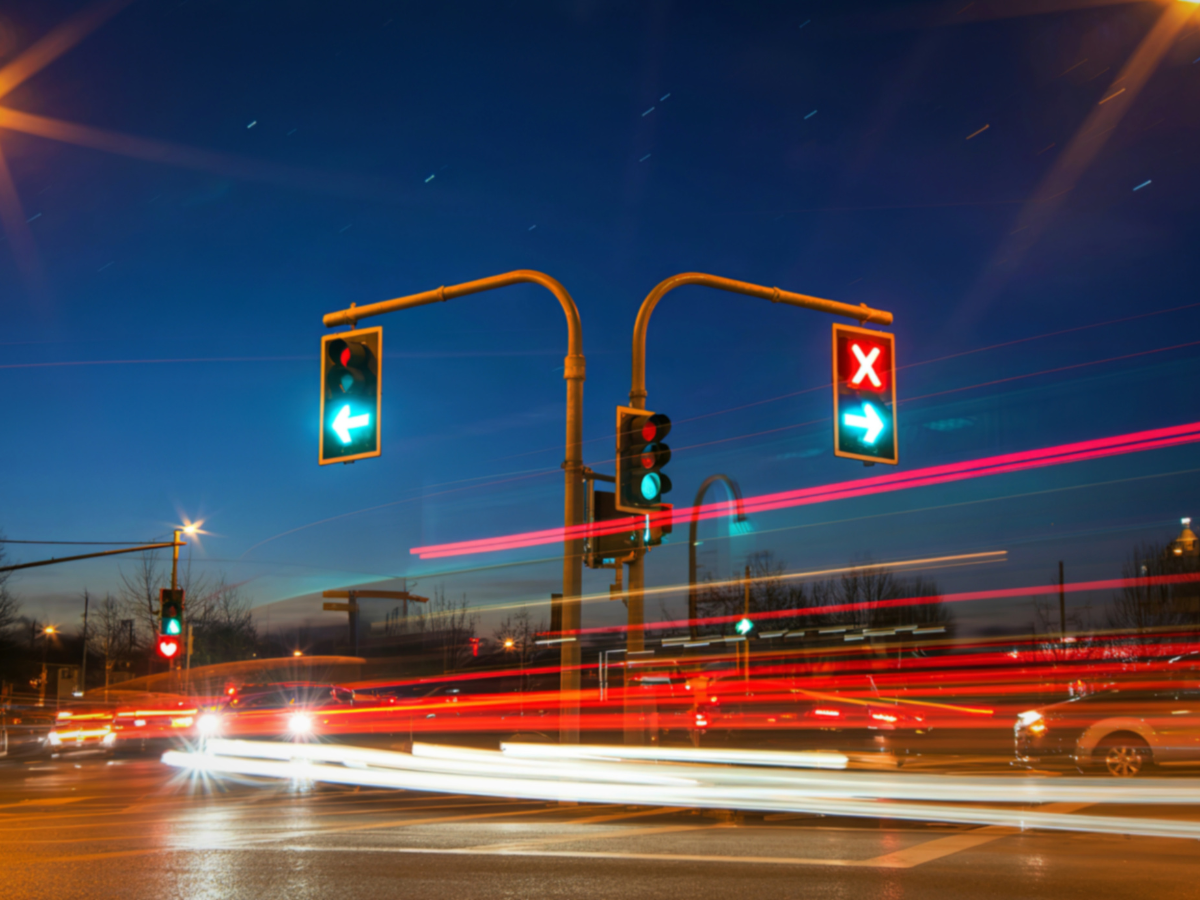
Behind every efficiently operating intersection is a system responsible for determining when traffic lights change, how long each movement receives a green signal, and how traffic responds to changing roadway conditions. At the center of that system is the traffic signal controller. Often described as the "brain" of an intersection, a controller coordinates traffic signal operations to improve safety, reduce congestion, and keep vehicles and pedestrians moving efficiently.
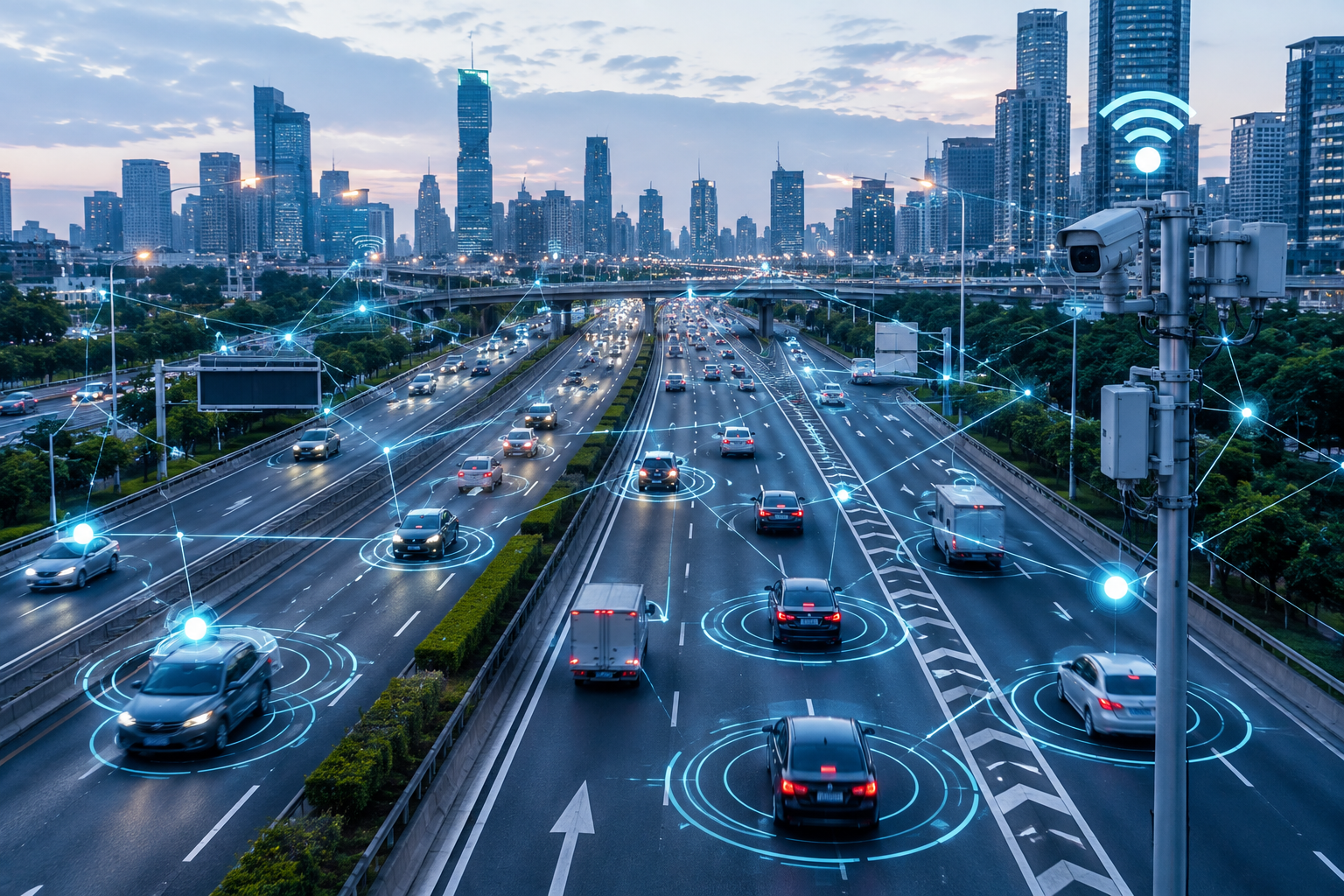
Modern traffic signal controllers do far more than follow a fixed schedule. They communicate with traffic detection systems, pedestrian signals, emergency vehicle preemption equipment, and Intelligent Transportation Systems (ITS) to make real-time decisions based on current traffic conditions.
At Signals On The Run, we supply traffic signal controllers, traffic control equipment, ITS solutions, and installation support for municipalities, contractors, and engineering firms throughout Lincoln, Maine, and communities within a 200-mile radius.
Quick Answer: What Is a Traffic Signal Controller?
A traffic signal controller is an electronic device that manages the operation of traffic signals at an intersection. It determines when lights change, coordinates traffic movements, processes information from vehicle detection systems, and communicates with other traffic management technologies to improve roadway safety and traffic flow.
How Traffic Signal Controllers Work
Traffic signal controllers receive information from field devices installed throughout an intersection. Based on programmed timing plans or real-time traffic data, the controller determines when each traffic movement receives a green, yellow, or red signal.
Modern controllers continuously process information from:
- Vehicle detection systems
- Pedestrian push buttons
- Accessible Pedestrian Signals (APS)
- Emergency vehicle preemption systems
- Railroad crossing interfaces
- Traffic management centers
- Connected vehicle technologies
This allows intersections to respond more efficiently than traditional fixed-time signal systems.
Types of Traffic Signal Controllers
Different intersections require different controller technologies depending on traffic volumes, roadway design, and operational goals.
Fixed-Time Controllers
These controllers follow predetermined timing schedules regardless of current traffic conditions. They are commonly used at intersections with predictable traffic patterns.
Actuated Controllers
Actuated controllers use vehicle detection systems to adjust signal timing based on actual traffic demand. This helps reduce unnecessary delays during periods of lighter traffic.
Adaptive Traffic Signal Controllers
Adaptive systems continuously analyze traffic conditions and automatically adjust signal timing throughout the day. They are commonly used in high-volume corridors where traffic patterns frequently change.
Major Components of a Traffic Signal Controller System
Traffic signal controllers operate as part of a larger intersection network.
Key components include:
- Traffic signal controller
- Traffic control cabinet
- LED traffic signal heads
- Vehicle detection systems
- Pedestrian signals
- Communication equipment
- Battery backup systems
- Emergency vehicle preemption equipment
- Network communications
Together, these components allow the controller to safely manage traffic movements while responding to changing roadway conditions.
| Component | Function |
|---|---|
| Traffic Signal Controller | Coordinates signal timing |
| Traffic Control Cabinet | Protects controller equipment |
| Detection Systems | Detect vehicle presence |
| Pedestrian Signals | Manage pedestrian crossings |
| Communication Network | Connects field devices and traffic management centers |
| Battery Backup | Maintains operation during power interruptions |
Benefits of Modern Traffic Signal Controllers
Today's traffic signal controllers provide significant advantages over older technologies.
Improved Traffic Flow
Controllers can adjust signal timing to reduce unnecessary delays and improve vehicle progression through intersections.
Enhanced Safety
By coordinating vehicle and pedestrian movements more effectively, controllers help reduce conflicts and improve overall intersection safety.
Support for Smart Transportation
Modern controllers integrate with Intelligent Transportation Systems (ITS), allowing agencies to monitor and manage intersections remotely.
Better Emergency Response
Emergency vehicle preemption allows controllers to temporarily prioritize emergency vehicles while maintaining safe traffic operations.
Easier System Management
Many controllers support remote diagnostics, software updates, and performance monitoring, reducing maintenance time and improving operational efficiency.
Integration with Intelligent Transportation Systems
Traffic signal controllers play a central role in modern ITS deployments.
They communicate with:
- Radar traffic detection
- Video detection cameras
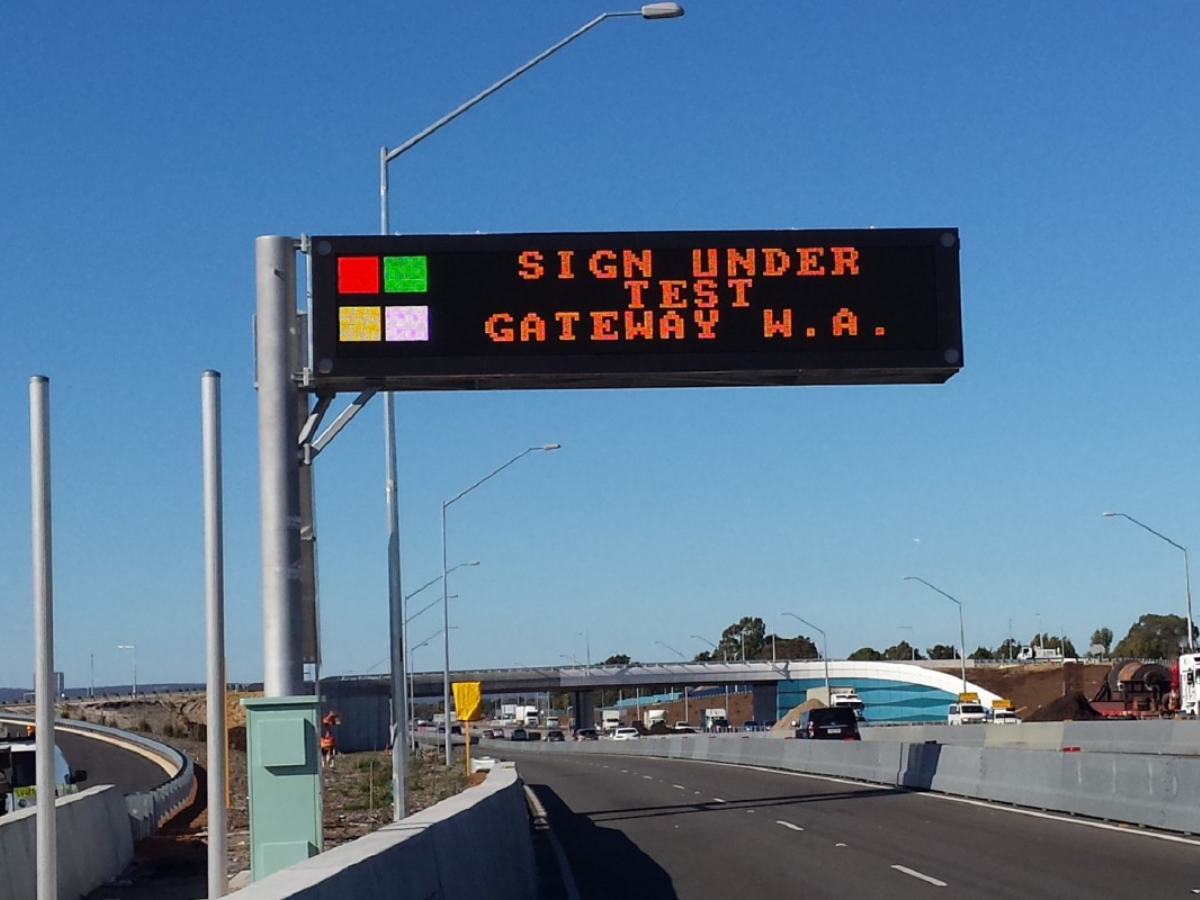
- Variable Message Signs (VMS)
- Connected vehicle infrastructure
- Traffic management software
- Fiber optic communication networks
This integration allows transportation agencies to optimize traffic flow while collecting valuable performance data for future planning.
Choosing the Right Traffic Signal Controller
Selecting the right controller depends on several factors.
Consider:
- Intersection size
- Traffic volume
- Future expansion plans
- Communication requirements
- Detection technology
- ITS compatibility
- Local agency specifications
- Long-term maintenance needs
Working with an experienced traffic signal equipment provider helps ensure controllers are compatible with existing infrastructure while supporting future technology upgrades.
Industry Standards and Compliance
Traffic signal controllers should meet recognized transportation standards to ensure reliable operation and interoperability.
Many projects reference guidance from:
- Federal Highway Administration (FHWA)
- Manual on Uniform Traffic Control Devices (MUTCD)
- National Electrical Manufacturers Association (NEMA)
- International Municipal Signal Association (IMSA)
Compliance with these standards helps improve system reliability and simplifies future maintenance and upgrades.
Why Choose Signals On The Run?
Signals On The Run supplies dependable traffic signal controllers and related equipment for municipalities, contractors, and transportation agencies throughout central and eastern Maine.
Our services include:
- Traffic signal controllers
- Traffic signal systems
- Traffic control cabinets
- Traffic detection and monitoring
- Intelligent Transportation Systems (ITS)
- Variable Message Signs (VMS)
- Installation assistance
- Preventive maintenance
- Repair services
Our experienced team helps customers select compatible equipment that supports reliable intersection performance today while preparing for future transportation technologies.
Frequently Asked Questions
What does a traffic signal controller do?
A traffic signal controller manages the timing and sequencing of traffic lights, coordinating vehicle and pedestrian movements while communicating with detection systems and other traffic management technologies.
What is the difference between fixed-time and actuated controllers?
Fixed-time controllers operate on predetermined schedules, while actuated controllers adjust signal timing based on real-time traffic detected at the intersection.
Can traffic signal controllers connect to ITS?
Yes. Most modern traffic signal controllers integrate with Intelligent Transportation Systems, allowing agencies to monitor and manage intersections remotely.
How often should traffic signal controllers be upgraded?
Upgrade schedules vary depending on equipment age, technological requirements, and agency goals. Many municipalities modernize controllers when expanding ITS capabilities or replacing aging infrastructure.
Modernize Your Traffic Signal System
Whether you're replacing outdated controllers or designing a new intersection, Signals On The Run provides dependable traffic signal controllers and complete traffic management solutions for municipalities and contractors throughout Lincoln, Maine, and the surrounding 200-mile service area.
Contact our team to discuss your traffic signal project and learn how modern controller technology can improve roadway safety, traffic flow, and long-term system reliability.
Recent Posts