Why Traffic Control Cabinets Are Essential
Traffic control cabinets protect some of the most important equipment at an intersection. Without adequate protection, electrical components can fail due to moisture, extreme temperatures, power fluctuations, or physical damage.
A properly designed cabinet provides:
- Secure equipment housing
- Weather resistance
- Organized cable management
- Improved equipment accessibility
- Reliable power distribution
- Simplified troubleshooting
These features help agencies reduce equipment failures while improving overall system reliability.
Supporting Intelligent Transportation Systems
Today's intersections rely on connected technologies that require dependable communication and control equipment.
Traffic control cabinets often support:
- Intelligent Transportation Systems (ITS)
- Traffic signal controllers
- Radar vehicle detection
- Video traffic cameras
- Connected vehicle infrastructure
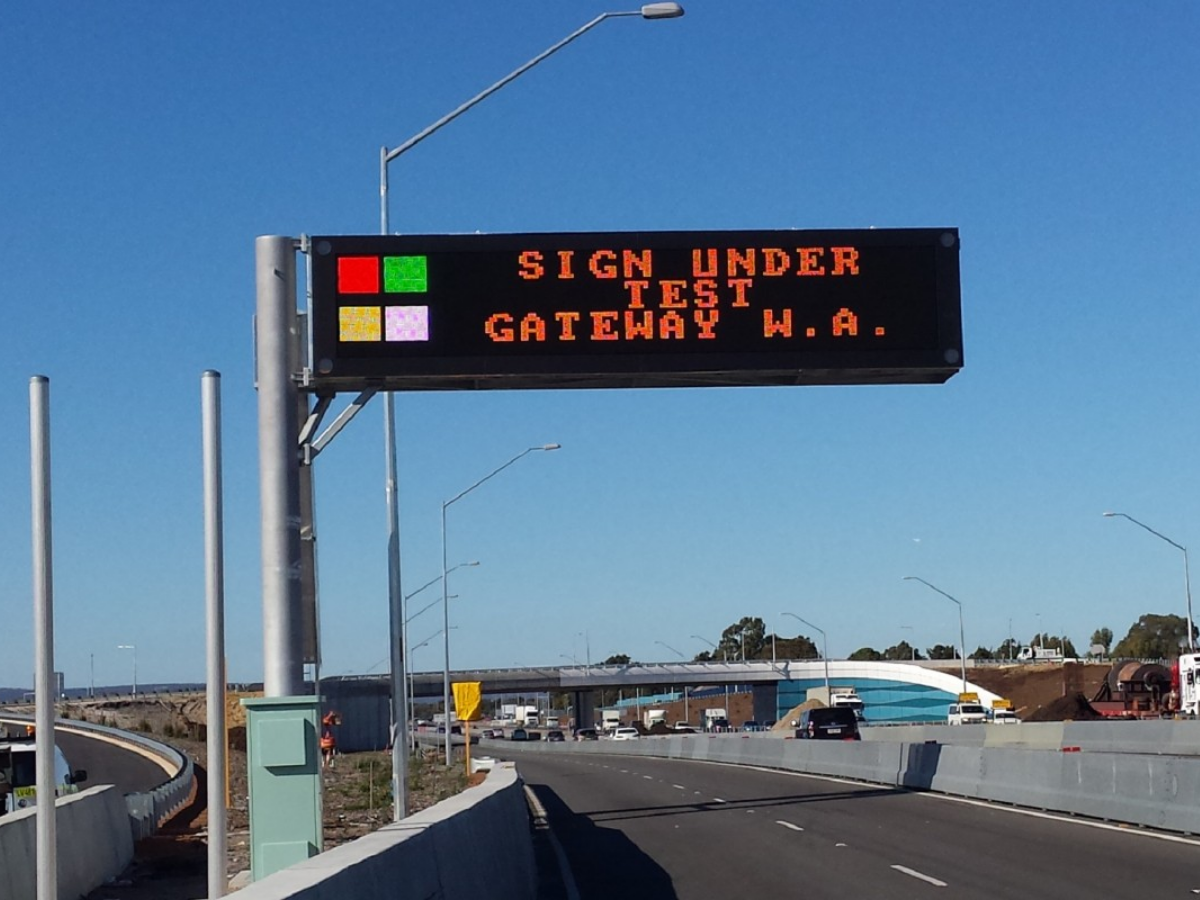
- Variable Message Signs (VMS)
- Remote monitoring systems
As transportation networks continue to modernize, cabinets must accommodate additional communication hardware and future technology upgrades.
Improving Maintenance Efficiency
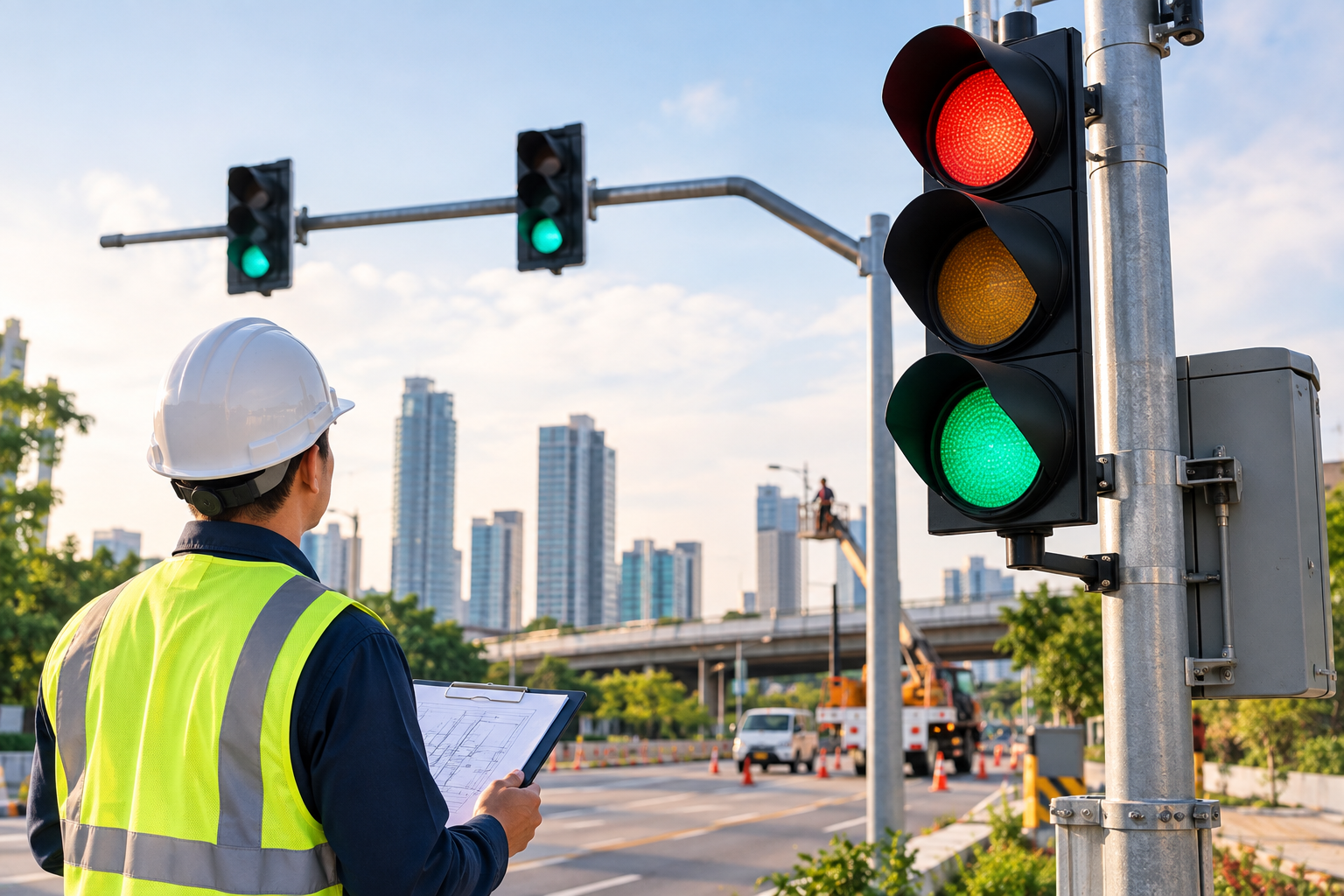
Routine maintenance becomes much easier when equipment is organized and accessible.
Well-designed traffic control cabinets help technicians:
- Perform inspections safely
- Replace components efficiently
- Troubleshoot electrical issues
- Upgrade equipment
- Minimize service interruptions
Reducing maintenance time also lowers labor costs and helps agencies return intersections to normal operation more quickly.
Protecting Equipment from Environmental Conditions
Traffic signal equipment operates year-round in harsh outdoor environments.
Cabinets help protect sensitive electronics from:
- Rain and snow
- Ice accumulation
- Dust and debris
- High humidity
- Temperature fluctuations
- Corrosion
- Wildlife intrusion
- Vandalism
This protection significantly extends the service life of valuable traffic signal equipment.
Planning for Future Growth
Transportation technology continues to evolve rapidly. Many municipalities are upgrading intersections to support adaptive traffic control, connected vehicles, and advanced traffic monitoring.
When selecting a traffic control cabinet, agencies should consider future expansion requirements, including:
- Additional controller capacity
- Communication equipment
- Fiber optic connectivity
- ITS integration
- Battery backup expansion
- Remote monitoring capabilities
Planning ahead can reduce future upgrade costs while extending the useful life of the cabinet.
Industry Standards and Compliance
Traffic control cabinets should be designed to meet applicable transportation and electrical standards.
Many projects reference guidance from:
- Federal Highway Administration (FHWA)
- Manual on Uniform Traffic Control Devices (MUTCD)
- National Electrical Manufacturers Association (NEMA)
- International Municipal Signal Association (IMSA)
Selecting quality equipment that supports recognized industry standards helps improve system reliability and long-term performance.
Why Choose Signals On The Run?
Signals On The Run provides dependable traffic control cabinets and complete traffic signal solutions for municipalities, contractors, and engineering firms throughout central and eastern Maine.
Our services include:
- Traffic control cabinets
- Traffic signal controllers
- LED traffic signal systems
- Traffic detection and monitoring
- Intelligent Transportation Systems (ITS)
- Variable Message Signs (VMS)
- Installation assistance
- Preventive maintenance
- Repair services
Our experienced team works closely with customers to recommend reliable equipment that supports today's operational requirements while preparing for future transportation technologies.
Frequently Asked Questions
What is a traffic control cabinet?
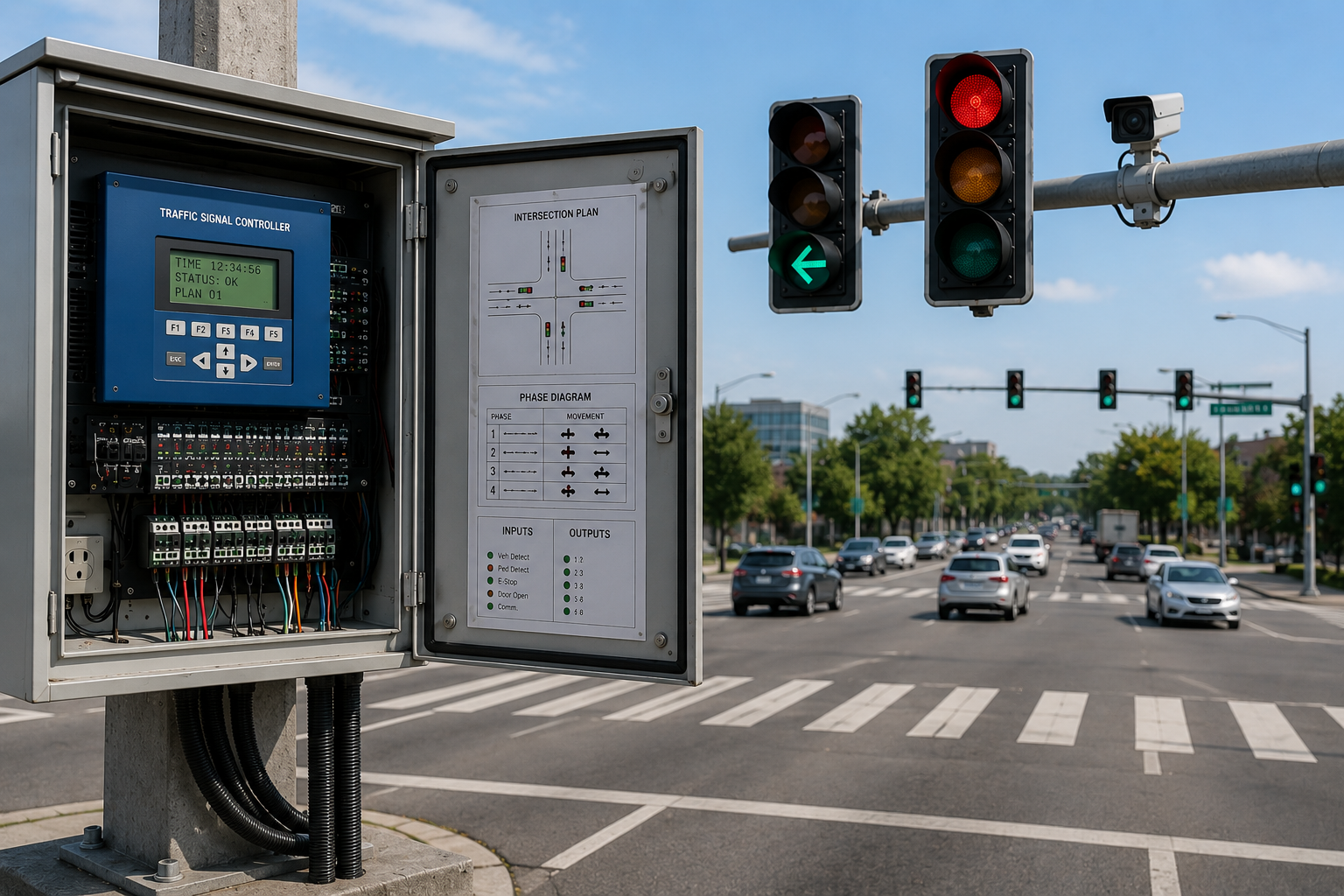
A traffic control cabinet houses the electronic equipment that controls traffic signals, including controllers, power supplies, communication devices, and safety monitoring equipment.
What equipment is located inside a traffic control cabinet?
Most cabinets contain traffic signal controllers, conflict monitors, load switches, power supplies, communication equipment, surge protection, battery backup systems, and associated wiring.
Why are traffic control cabinets important?
Traffic control cabinets protect sensitive equipment from weather, vandalism, and electrical issues while supporting reliable traffic signal operation and easier maintenance.
Can traffic control cabinets support Intelligent Transportation Systems?
Yes. Modern cabinets are designed to accommodate ITS equipment, communication networks, detection technologies, and future smart transportation upgrades.
Dependable Traffic Control Solutions
Whether you're upgrading an existing intersection or designing a new traffic signal system, Signals On The Run provides dependable traffic control cabinets and related equipment designed for long-term performance.
We proudly serve municipalities, contractors, and transportation professionals throughout Lincoln, Maine, and surrounding communities within a 200-mile service area.
Phone: (207) 514-7497
Email: Rick@signalsotr.net