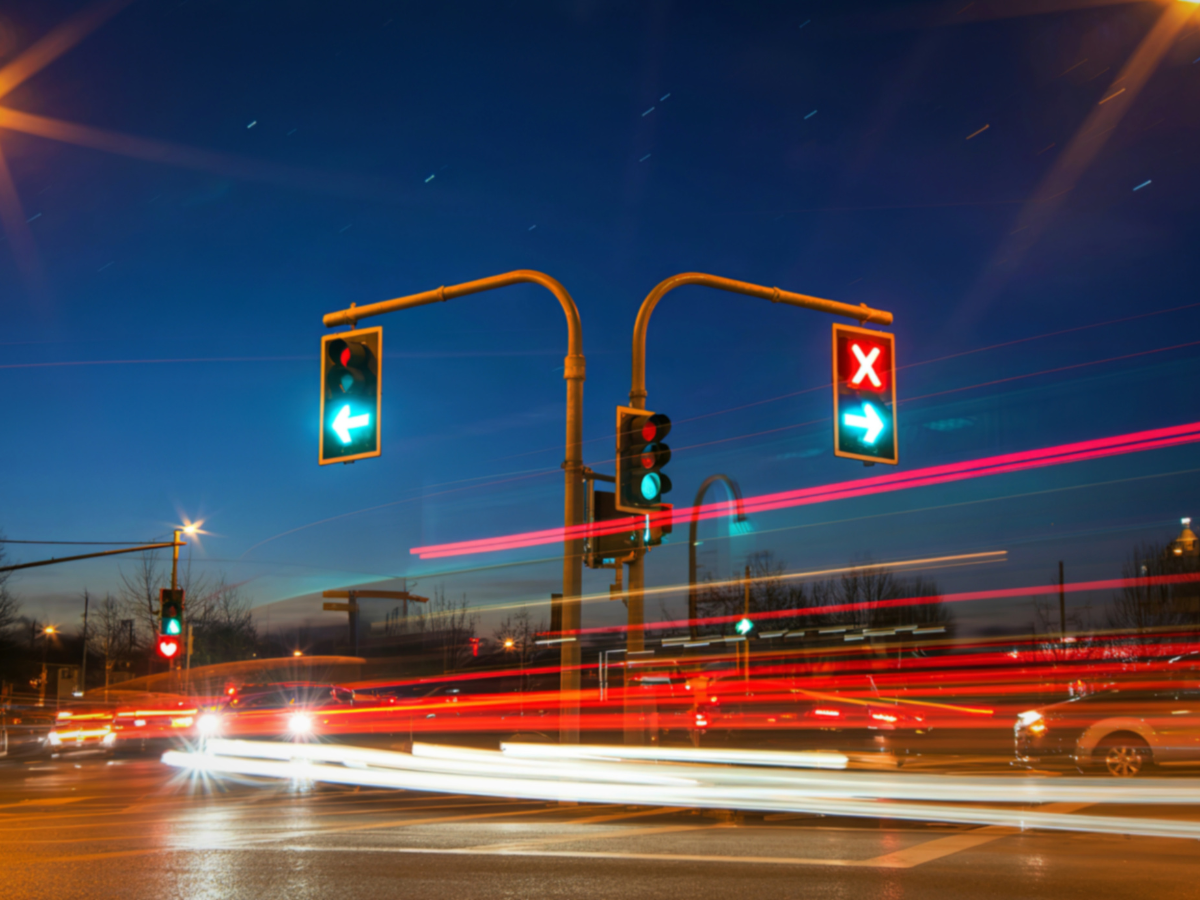
Intelligent Transportation Systems (ITS): The Future of Traffic Management
As traffic volumes continue to grow, transportation agencies face increasing pressure to improve roadway safety, reduce congestion, and make better use of existing infrastructure. Intelligent Transportation Systems (ITS) have become one of the most effective solutions for achieving these goals by combining advanced technologies with real-time traffic management.
Rather than relying solely on fixed traffic signal timing, ITS integrates communication networks, traffic signal controllers, vehicle detection systems, cameras, and data analytics to help intersections respond to changing traffic conditions. The result is safer roads, more efficient traffic flow, and better use of transportation resources.
At Signals On The Run, we provide Intelligent Transportation Systems, traffic signal equipment, traffic detection technologies, and installation support for municipalities, engineering firms, and contractors throughout Lincoln, Maine, and communities within a 200-mile radius.
Quick Answer: What Are Intelligent Transportation Systems?
Intelligent Transportation Systems (ITS) use advanced communication technologies, traffic signal controllers, sensors, cameras, and software to monitor and manage roadway traffic in real time. These systems help improve traffic flow, reduce congestion, increase intersection safety, and support more efficient transportation networks.
What Makes an ITS Different?
Traditional traffic signals operate using pre-programmed timing plans that may not respond efficiently to changing traffic patterns.
An Intelligent Transportation System continuously collects traffic data and adjusts signal operations based on actual roadway conditions. By analyzing vehicle volumes, pedestrian activity, emergency vehicle movements, and congestion levels, ITS helps intersections operate more efficiently throughout the day.
This technology allows agencies to improve mobility without necessarily expanding roadways, making it an attractive investment for growing communities.
Key Components of an Intelligent Transportation System
An ITS combines multiple technologies into one coordinated traffic management solution.
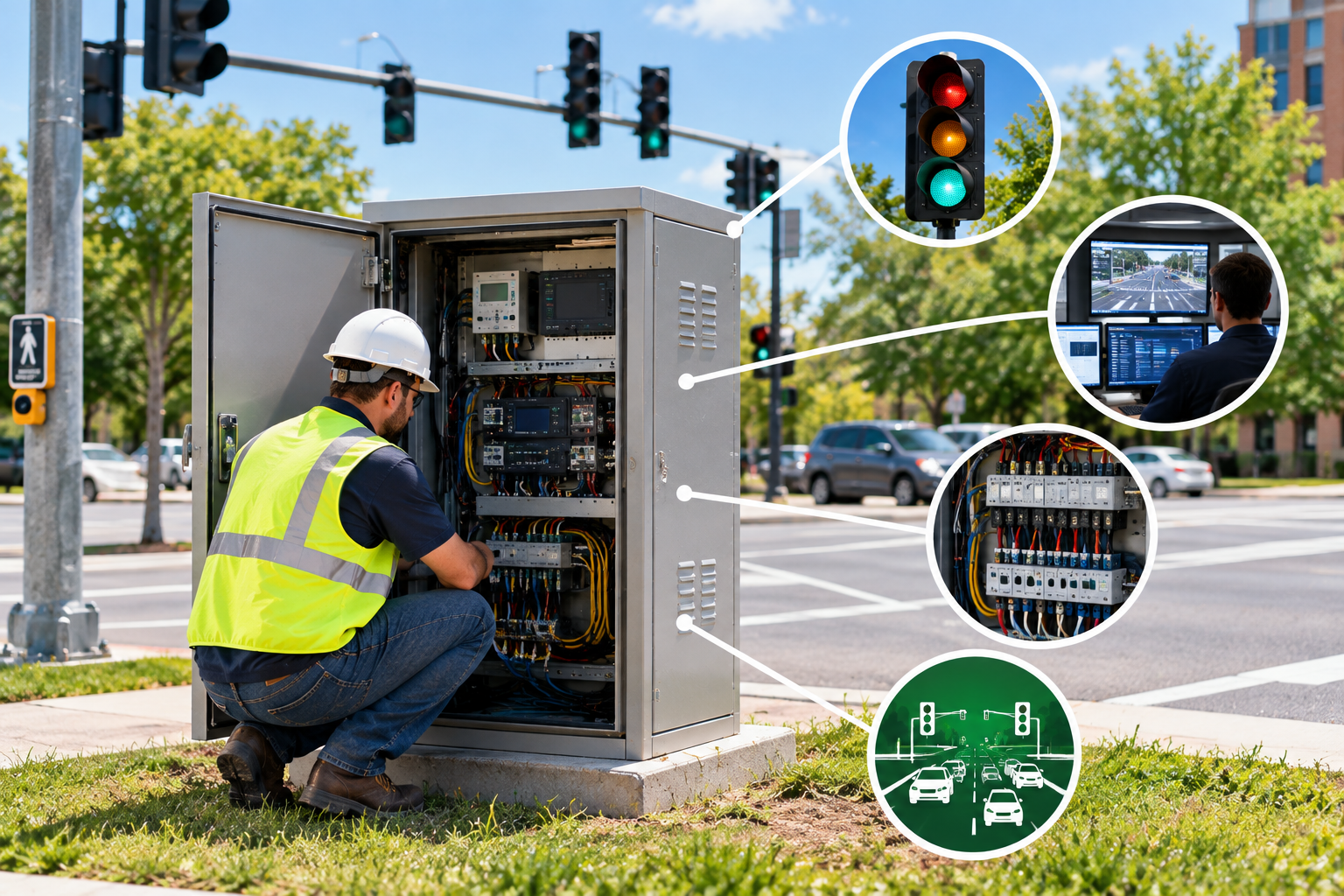
Common components include:
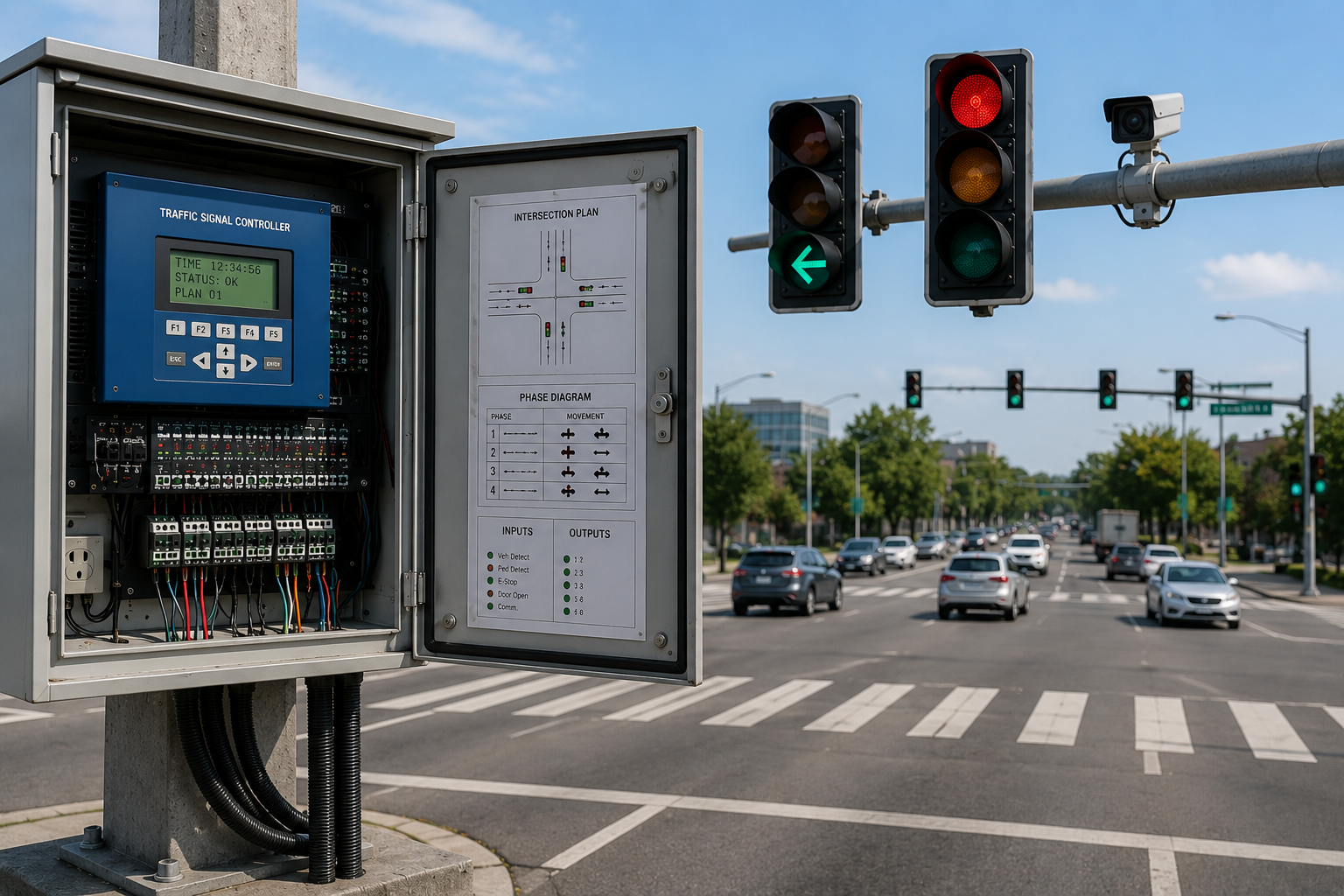
- Traffic signal controllers
- LED traffic signal systems
- Traffic control cabinets
- Radar vehicle detection
- Video traffic detection cameras
- Inductive loop detection systems
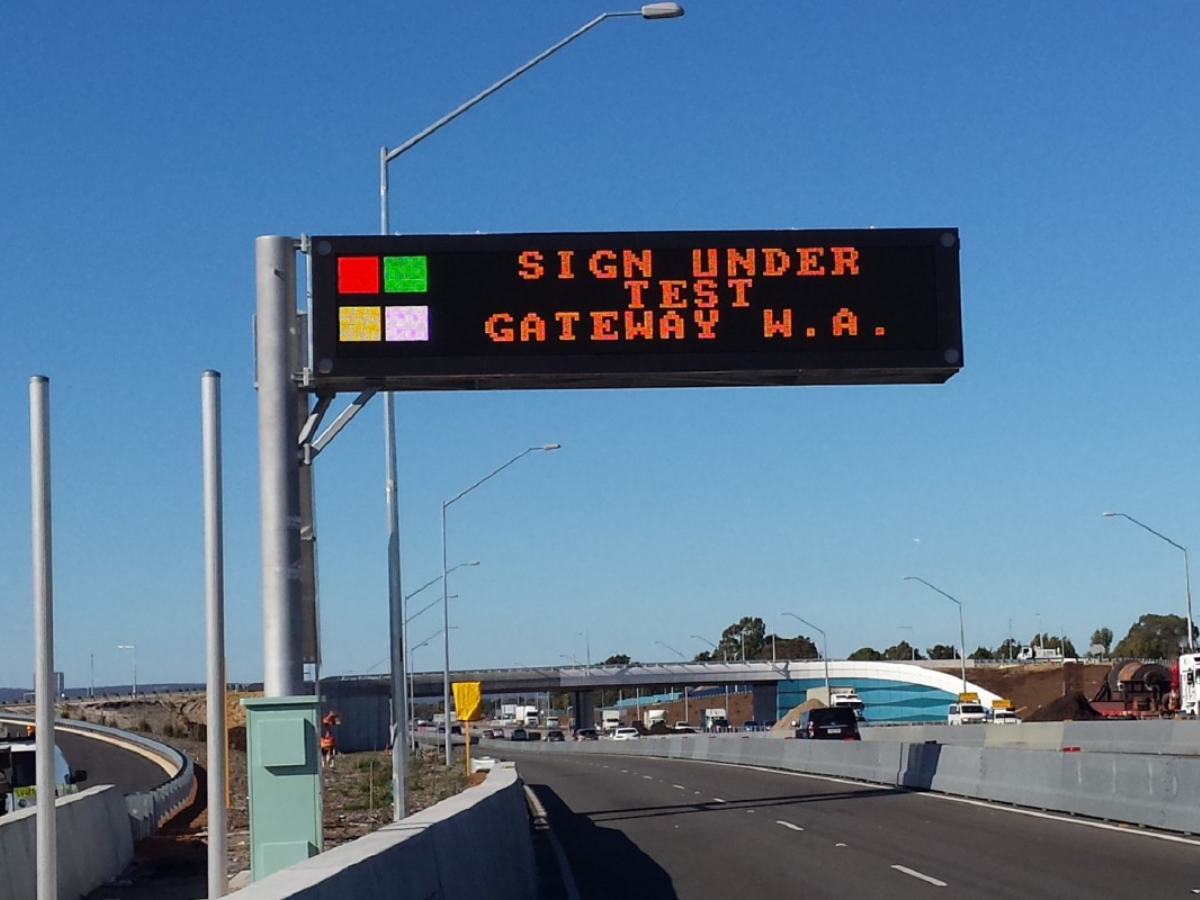
- Variable Message Signs (VMS)
- Closed-circuit traffic cameras
- Connected vehicle infrastructure
- Central traffic management software
- Fiber optic and wireless communications
When these technologies work together, transportation agencies gain greater visibility into roadway conditions and can respond more effectively to changing traffic demands.
| ITS Component | Primary Function |
|---|---|
| Traffic Signal Controllers | Coordinate signal timing |
| Detection Systems | Monitor vehicle presence and traffic volume |
| Traffic Cameras | Observe real-time roadway conditions |
| Variable Message Signs | Share traffic alerts with motorists |
| Communication Networks | Connect field equipment to traffic management centers |
| ITS Software | Analyze traffic data and optimize operations |
Benefits of Intelligent Transportation Systems
ITS technology delivers measurable benefits for both transportation agencies and the traveling public.
Improved Traffic Flow
Real-time signal adjustments help reduce unnecessary delays and improve vehicle movement through busy intersections.
Increased Road Safety
ITS can detect traffic conditions more accurately, reducing conflicts between vehicles, pedestrians, and cyclists while supporting safer intersection operations.
Better Emergency Response
Emergency vehicle preemption systems can temporarily adjust traffic signals to provide safer and faster routes for police, fire, and emergency medical services.
Lower Operating Costs
By optimizing existing infrastructure, agencies can often delay expensive roadway expansion projects while reducing fuel consumption, vehicle idling, and maintenance costs.
Data-Driven Decision Making
ITS provides transportation professionals with valuable traffic data that supports long-term planning, infrastructure improvements, and performance monitoring.
How Traffic Detection Improves ITS Performance
Accurate traffic detection is essential to any Intelligent Transportation System.
Modern detection technologies include:
- Radar vehicle detection
- Video detection cameras
- Inductive loop sensors
- Microwave detection
- Thermal imaging sensors
These systems continuously monitor traffic volumes, turning movements, queue lengths, and pedestrian activity to help traffic signal controllers make better operational decisions.
Supporting Smart City Initiatives
Many cities are investing in smart infrastructure that connects transportation systems with broader municipal technology initiatives.
Intelligent Transportation Systems support smart city objectives by:
- Improving traffic efficiency
- Reducing congestion
- Supporting connected vehicle technology
- Enhancing roadway safety
- Providing real-time transportation data
- Improving emergency response coordination
As connected infrastructure continues to evolve, ITS will remain a critical component of future transportation planning.
Planning an ITS Upgrade
Implementing an Intelligent Transportation System requires careful planning to ensure compatibility between existing and new equipment.
Before beginning an upgrade, agencies should evaluate:
- Existing traffic signal controllers
- Traffic control cabinets
- Communication infrastructure
- Detection technologies
- Intersection layouts
- Future expansion needs
- Software compatibility
Working with an experienced ITS provider helps simplify system integration while reducing implementation challenges.
Industry Standards and Best Practices
Successful ITS projects are built around recognized transportation standards and proven engineering practices.
Many agencies reference guidance from:
- Federal Highway Administration (FHWA)
- Manual on Uniform Traffic Control Devices (MUTCD)
- International Municipal Signal Association (IMSA)
- National Electrical Manufacturers Association (NEMA)
Following these standards helps ensure system reliability, interoperability, and long-term performance.
Why Choose Signals On The Run?
Signals On The Run provides comprehensive Intelligent Transportation System solutions tailored to the needs of municipalities, contractors, and engineering firms throughout central and eastern Maine.
Our capabilities include:
- Intelligent Transportation Systems (ITS)
- Traffic signal systems
- Traffic signal controllers
- Traffic detection and monitoring
- Variable Message Signs (VMS)
- Traffic control cabinets
- Installation assistance
- Preventive maintenance
- Repair services
Whether you're modernizing a single intersection or expanding a citywide traffic management network, we provide dependable products backed by responsive technical support.
Frequently Asked Questions
What is an Intelligent Transportation System?
An Intelligent Transportation System uses communication technologies, traffic signal equipment, sensors, and software to monitor and manage traffic in real time, improving roadway safety and traffic flow.
How does ITS reduce traffic congestion?
ITS adjusts traffic signal timing based on actual traffic conditions, helping vehicles move more efficiently through intersections and reducing unnecessary delays.
What equipment is included in an ITS?
Typical ITS equipment includes traffic signal controllers, detection systems, cameras, traffic control cabinets, communication networks, Variable Message Signs, and traffic management software.
Who benefits from Intelligent Transportation Systems?
Municipalities, state transportation departments, engineering firms, contractors, emergency responders, and the traveling public all benefit from improved traffic operations and enhanced roadway safety.
Build Smarter Traffic Infrastructure with Signals On The Run
If your municipality or organization is planning an Intelligent Transportation System upgrade, Signals On The Run provides dependable equipment, expert guidance, and responsive support for projects throughout Lincoln, Maine, and the surrounding 200-mile service area.
Contact our team to learn how ITS solutions can improve traffic flow, increase roadway safety, and prepare your transportation network for the future.
Recent Posts