How LED Traffic Lights Improve Road Safety and Reduce Maintenance Costs
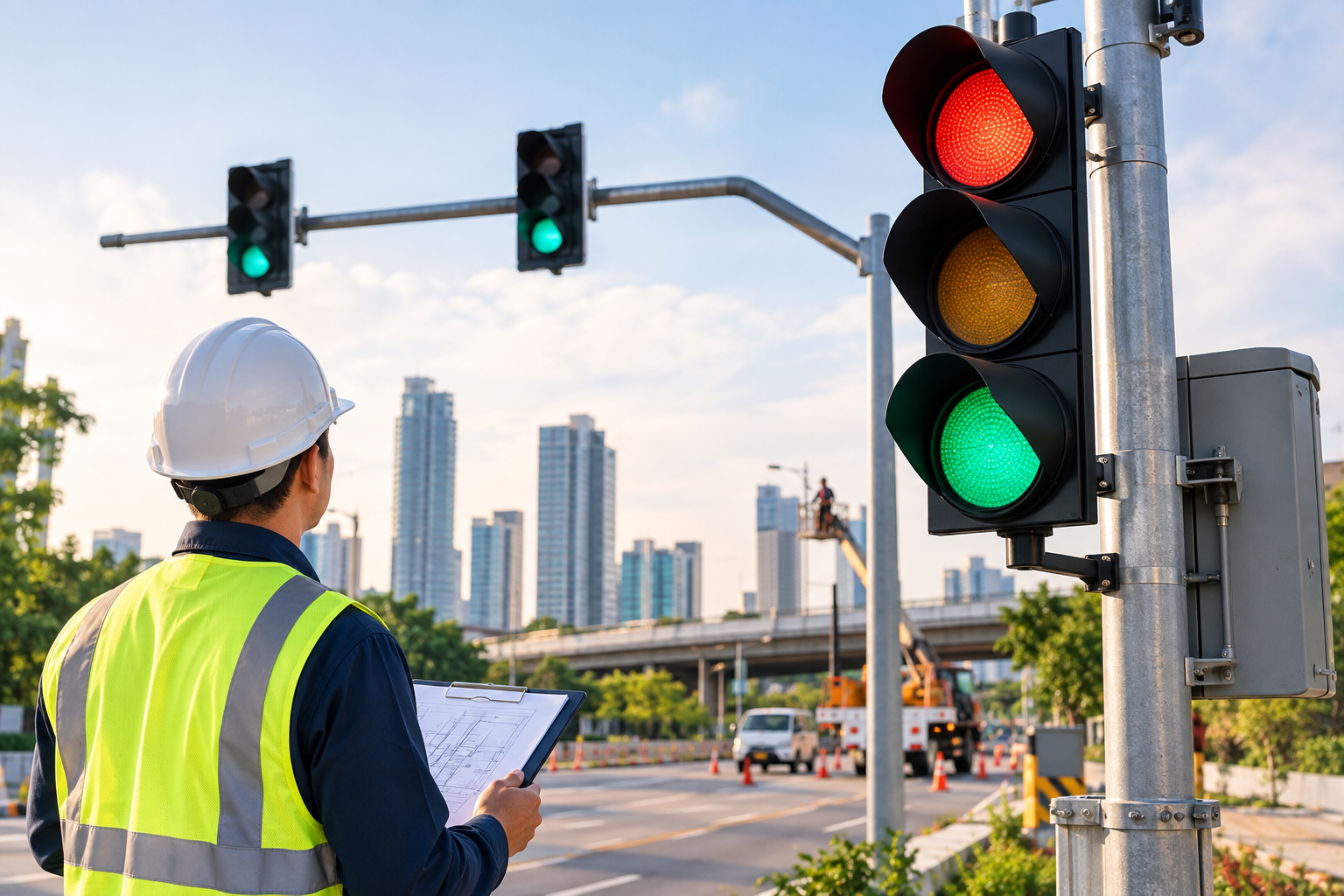
As municipalities and transportation agencies look for ways to improve roadway safety while managing limited budgets, LED traffic lights have become the industry standard. Compared to traditional incandescent traffic signals, LED technology provides brighter visibility, significantly lower energy consumption, and a much longer service life. The result is safer intersections, fewer maintenance calls, and lower operating costs throughout the life of the traffic signal system.
At Signals On The Run, we help municipalities, engineering firms, and contractors throughout Lincoln, Maine, and communities within a 200-mile radius upgrade traffic signal infrastructure with dependable LED traffic signal systems, intelligent transportation technologies, and responsive installation and maintenance support.
Quick Answer: Why Upgrade to LED Traffic Lights?
LED traffic lights improve roadway safety by providing brighter, more consistent signal visibility while using substantially less electricity than incandescent signal lamps. They also last considerably longer, reduce maintenance requirements, and lower total lifecycle costs, making them the preferred choice for modern traffic signal systems.
Why Municipalities Are Replacing Traditional Traffic Signals
Across the United States, transportation agencies continue replacing older incandescent traffic signals with LED technology as part of broader roadway modernization efforts.
Unlike incandescent bulbs that rely on heated filaments, LED traffic lights use semiconductor technology to produce light efficiently. This reduces energy consumption while providing consistent illumination throughout the life of the signal.
The benefits extend well beyond lower electric bills. Fewer lamp failures mean fewer service calls, fewer lane closures, and less disruption for motorists.
Better Visibility Improves Road Safety
Visibility is one of the most important factors in traffic signal performance. Drivers, cyclists, and pedestrians must be able to recognize signal indications quickly in all weather and lighting conditions.
LED traffic lights offer several safety advantages:
- Bright, uniform illumination
- Improved daytime visibility
- Better performance during rain, snow, and fog
- Faster driver recognition
- Improved pedestrian visibility
- Consistent color output throughout the signal's lifespan
These improvements help reduce confusion at intersections and support safer traffic movement.
According to guidance from the Federal Highway Administration (FHWA), LED signal technology has helped transportation agencies improve signal reliability while reducing maintenance demands.
Significant Energy Savings
One of the biggest advantages of LED traffic lights is energy efficiency.
Depending on the signal configuration and operating conditions, LED traffic signals can reduce electricity consumption by up to 80–90% compared to older incandescent signal lamps. For municipalities operating hundreds of intersections, these savings can significantly reduce annual utility expenses.
Lower energy use also supports local sustainability initiatives by reducing overall power consumption without compromising roadway safety.
Longer Service Life Means Lower Maintenance Costs
Traffic signal maintenance often requires specialized technicians, lane closures, and temporary traffic control. Every service call increases labor costs and can temporarily disrupt traffic.
LED traffic lights have a much longer operating life than incandescent lamps, allowing agencies to reduce routine maintenance and focus resources on other infrastructure priorities.
Benefits include:
- Fewer lamp replacements
- Reduced maintenance labor
- Fewer emergency repair calls
- Less traffic disruption
- Lower replacement inventory costs
- Improved intersection reliability
For public agencies managing multiple intersections, these operational savings can add up quickly over the lifespan of the equipment.
| Feature | LED Traffic Lights | Incandescent Traffic Lights |
|---|---|---|
| Energy Consumption | Very Low | High |
| Service Life | Long | Short |
| Maintenance Frequency | Low | High |
| Visibility | Excellent | Good |
| Heat Generation | Minimal | High |
| Lifecycle Cost | Lower | Higher |
Supporting Smarter Traffic Management
LED traffic lights are designed to integrate with today's advanced traffic management technologies.
They work seamlessly alongside:
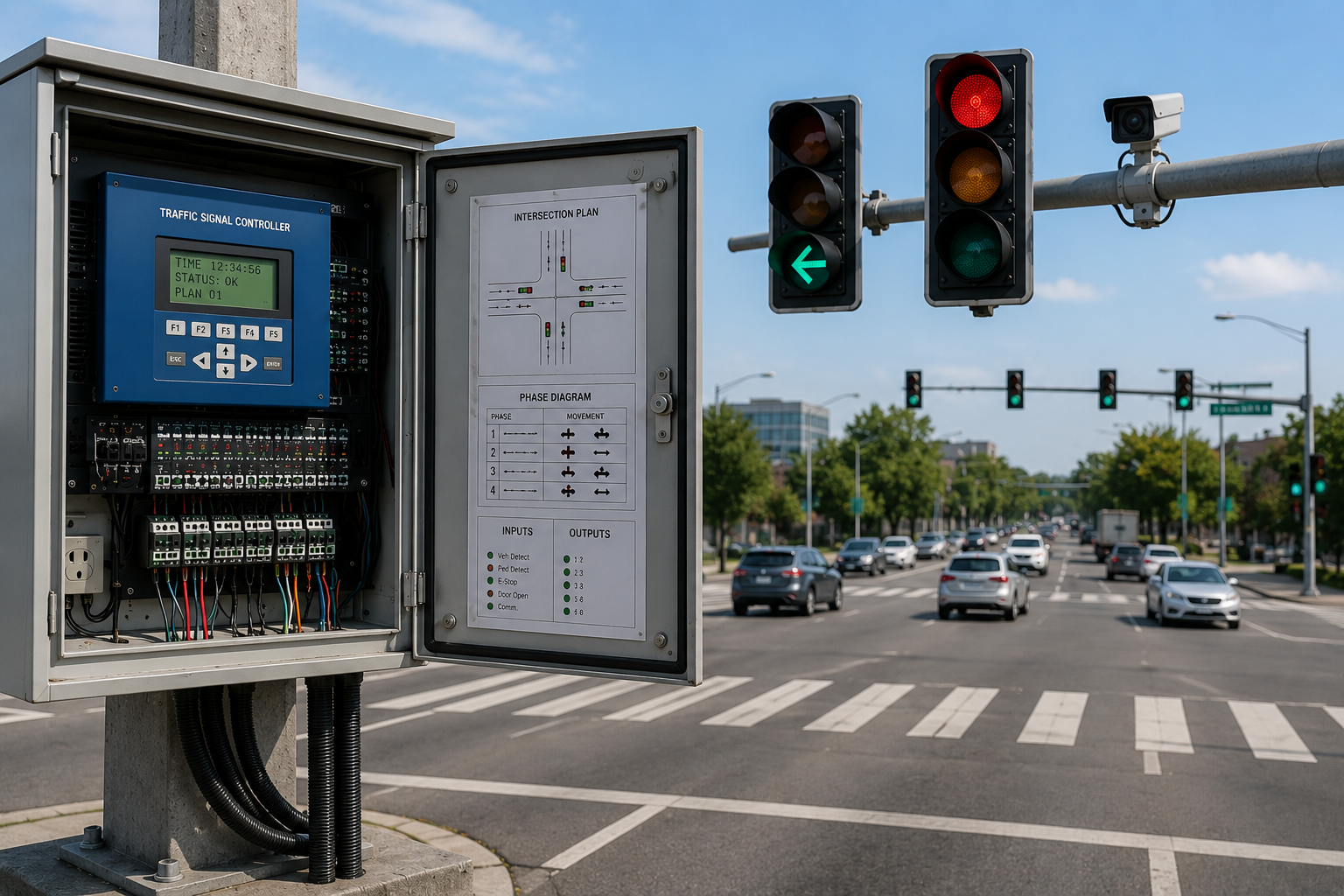
- Traffic signal controllers
- Traffic control cabinets
- Radar traffic detection systems
- Video vehicle detection
- Intelligent Transportation Systems (ITS)
- Variable Message Signs (VMS)
- Emergency vehicle preemption
- Connected vehicle infrastructure
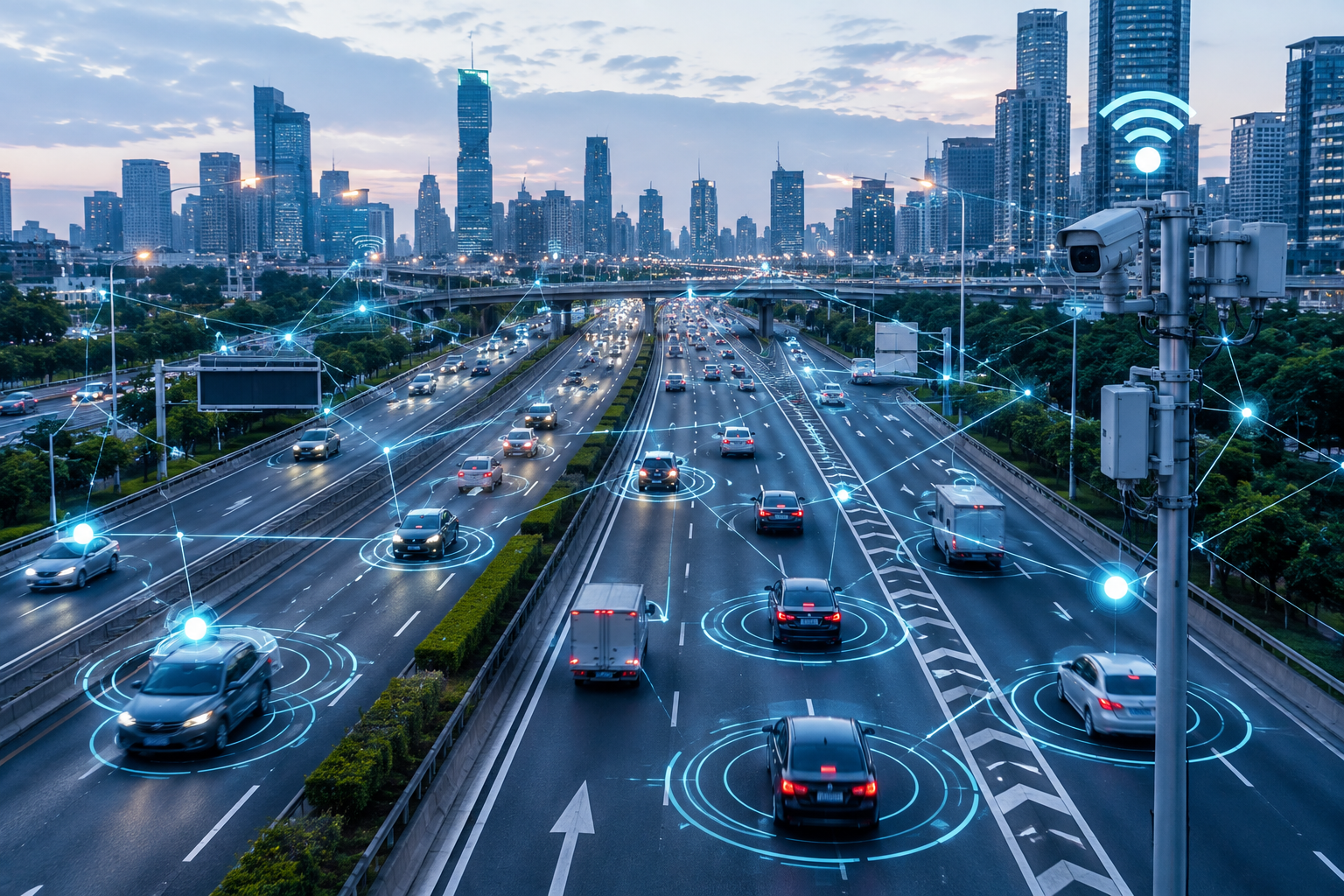
These technologies allow transportation agencies to monitor intersections more effectively, optimize signal timing, and improve traffic flow across busy road networks.
Planning an LED Traffic Signal Upgrade
When planning an upgrade, municipalities should evaluate more than just the signal heads.
A successful modernization project considers compatibility with existing:
- Traffic signal controllers
- Traffic control cabinets
- Detection equipment
- Communication systems
- Electrical infrastructure
- Future ITS expansion
Working with an experienced traffic signal supplier helps ensure all components function together while minimizing installation challenges and future maintenance costs.
Meeting Industry Standards
Traffic signal equipment should comply with recognized industry standards and project specifications to ensure safe, dependable operation.
Many roadway projects reference guidance from organizations including:
- Federal Highway Administration (FHWA)
- Manual on Uniform Traffic Control Devices (MUTCD)
- International Municipal Signal Association (IMSA)
- National Electrical Manufacturers Association (NEMA)
Selecting quality equipment that aligns with these standards helps improve long-term reliability and simplifies future maintenance.
Why Choose Signals On The Run?
Signals On The Run works closely with municipalities, public works departments, consulting engineers, and roadway contractors to deliver dependable LED traffic signal solutions.
Our capabilities include:
- LED traffic signal systems
- Traffic signal equipment distribution
- Intelligent Transportation Systems (ITS)
- Traffic detection and monitoring
- Variable Message Signs (VMS)
- Installation assistance
- Preventive maintenance
- Repair services
- Responsive technical support
Whether you're replacing aging signal heads, modernizing an intersection, or expanding a smart transportation network, our team can help you identify reliable solutions that meet your project's operational goals.
Frequently Asked Questions
Why are LED traffic lights better than incandescent traffic lights?
LED traffic lights consume significantly less electricity, last much longer, provide brighter visibility, and require less maintenance than traditional incandescent traffic signals.
How much energy do LED traffic lights save?
Depending on the application, LED traffic signals can reduce electricity consumption by as much as 80–90% compared to older incandescent technology.
Do LED traffic lights reduce maintenance costs?
Yes. Their extended service life means fewer replacements, reduced labor costs, fewer lane closures, and less disruption to roadway operations.
Can existing intersections be upgraded with LED traffic lights?
In many cases, yes. Existing traffic signal systems can often be upgraded using LED signal heads while maintaining compatibility with existing controllers and infrastructure, depending on the system design.
Upgrade to LED Traffic Lights with Confidence
If you're planning to replace aging traffic signals or modernize intersection infrastructure, Signals On The Run provides dependable LED traffic lights, traffic signal equipment, and technical support for municipalities and contractors throughout Lincoln, Maine, and the surrounding 200-mile service area.
Contact our team to discuss your next traffic signal project and discover how LED technology can improve safety while reducing long-term operating costs.
Recent Posts